Ratings represent our editorial opinion, not Amazon's. TopRatedLEDLights is reader-supported and may earn an affiliate commission. Details
Vs4000 LED Grow Light
Learn everything you need to know about vs4000 led grow light. Comprehensive guide with expert tips, best practices, and actionable advice.
Welcome to the definitive guide on the VS4000 LED grow light. Whether you’re a seasoned indoor gardener or just starting out, understanding this high‑performance fixture can dramatically improve your harvests. In the next few sections you’ll learn how the VS4000’s spectrum, efficiency, and design compare to other lighting options, how to install and fine‑tune it for each growth stage, and what maintenance steps keep it running at peak output. You’ll also discover practical troubleshooting tips and real‑world examples that help you avoid common pitfalls. By the end of this article you’ll be equipped to decide if the VS4000 fits your grow room, set it up correctly, and maximize plant health while keeping energy costs low.
Understanding the VS4000 LED Grow Light Basics
This section breaks down the core components and design philosophy behind the VS4000, giving you a solid foundation before diving into technical specifics.
▸Key Hardware Components
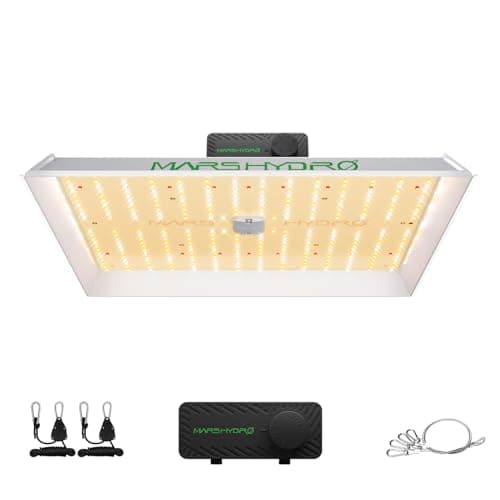
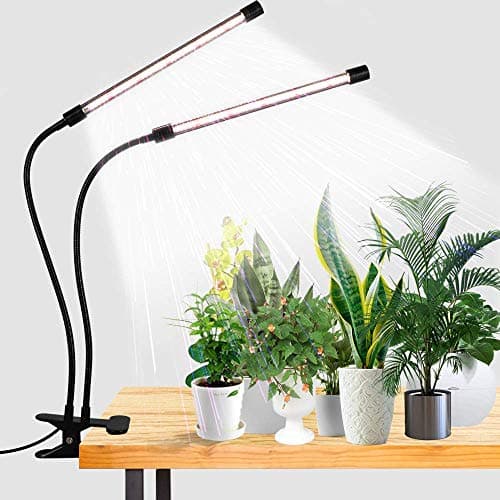
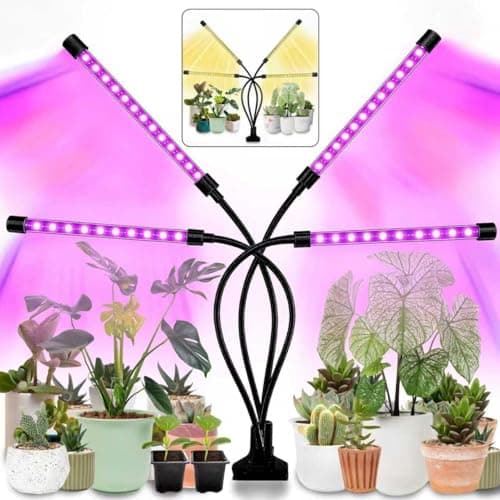
The VS4000 integrates high‑density LED chips, a robust aluminum heat‑sink, and an intelligent driver circuit. The LED chips are arranged in a matrix that delivers uniform light distribution, while the heat‑sink dissipates excess warmth to maintain efficiency. The driver uses pulse‑width modulation (PWM) to adjust intensity without flicker. Together, these components create a durable, low‑maintenance unit suitable for both small tents and larger commercial spaces.
▸Design Philosophy and Target Users
Designed for growers who demand consistent, full‑spectrum output, the VS4000 aims to replace traditional HPS and metal‑halide fixtures. Its modular design allows easy scaling: you can mount multiple units side‑by‑side for larger canopies. The product targets hobbyists, boutique cultivators, and commercial operations looking for energy‑saving alternatives without sacrificing yield.
▸Physical Dimensions and Mounting Options
Measuring roughly 24" × 12" × 2" (L × W × H), the VS4000 fits standard 4 × 4 foot grow tents. It includes pre‑drilled holes for hanger brackets and optional swivel mounts that let you angle the light for optimal canopy coverage. The lightweight aluminum frame simplifies installation, and the included hanging kit reduces the need for additional hardware.
Spectrum and Light Output Characteristics
Understanding the light spectrum is crucial for matching the VS4000 to your plants' photosynthetic needs.
▸Full Spectrum Coverage
The VS4000 delivers a 400‑800 nm spectrum, spanning UV, blue, green, red, and far‑red wavelengths. This range mimics natural sunlight, supporting vegetative growth, flowering, and fruiting. The inclusion of a small UV‑B band stimulates secondary metabolite production, which can enhance flavor and potency in certain crops.
▸PPF and PAR Ratings
Photon Flux (PPF) for the VS4000 is rated at roughly 2,200 µmol s⁻¹, while the Photosynthetic Active Radiation (PAR) distribution is uniform across a 3‑foot radius. This translates to about 600 µmol m⁻² s⁻¹ at a typical hanging height of 24 inches, suitable for dense canopies without causing light burn.
▸Adjustable Spectrum Modes
Many VS4000 units feature programmable modes such as "Veg", "Bloom", and "Custom". Using the supplied controller or a mobile app, you can shift the blue‑red ratio to emphasize vegetative or reproductive phases. For example, a 1:1 blue‑red mix supports leaf development, while a 1:3 red‑dominant mix encourages flowering.
Energy Efficiency and Power Consumption
Energy costs are a major factor in indoor cultivation; this section examines how the VS4000 measures up.
▸Wattage and Efficiency Metrics
The VS4000 operates at 400 W nominal power, yet achieves an impressive 2.5 µmol J⁻¹ efficacy. Compared to traditional 600 W HPS lamps, you get comparable photon output while using two‑thirds the electricity, reducing monthly utility bills significantly.
▸Heat Output and Cooling Savings
Because LEDs convert more electricity into light rather than heat, the VS4000 generates less than 30 % of the thermal load of an equivalent HPS fixture. This means you can downsize or eliminate supplemental air‑conditioning, further cutting operational expenses.
▸Cost‑Benefit Analysis Over Time
While the upfront price of a VS4000 may be higher than a conventional lamp, its 5‑year warranty and longer lifespan (50,000 hours) lead to lower total cost of ownership. A simple break‑even calculation shows savings of $200‑$300 per year in electricity alone, offsetting the initial investment within 2‑3 years.
Installation and Setup Guidelines
Proper installation ensures you extract the maximum performance from your VS4000.
▸Mounting Height and Angle
For optimal light distribution, hang the VS4000 18‑24 inches above the canopy during veg and 12‑18 inches during bloom. Use the swivel brackets to angle the fixture slightly inward, reducing edge hot‑spots and ensuring uniform intensity across the plant tops.
▸Electrical Wiring and Safety
Connect the unit to a dedicated 120 V circuit protected by a 20 A breaker. Use the supplied IEC‑C14 power cord and avoid daisy‑chaining multiple high‑wattage devices on the same outlet to prevent overload. Always verify that the plug is securely seated before turning on the power.
▸Controller Configuration
The included digital controller lets you set timer cycles, dimming levels, and spectrum presets. Begin with a 12‑hour photoperiod for veg, then shift to 12‑hour light/12‑hour dark for bloom. Adjust dimming gradually (10 % increments) to acclimate plants when changing growth phases.
Plant Growth Stages and Light Scheduling
Tailoring light schedules to each developmental stage maximizes yield and quality.
▸Vegetative Phase Optimization
During veg, aim for 400‑600 µmol m⁻² s⁻¹ PPFD and a 18‑hour light cycle. Set the VS4000 to a blue‑rich spectrum (4:1 blue‑to‑red) to encourage compact, sturdy foliage. Monitor leaf spacing; if leaves start to stretch, increase intensity slightly.
▸Flowering Phase Adjustments
Switch to a red‑dominant spectrum (1:3 blue‑to‑red) and raise PPFD to 600‑800 µmol m⁻² s⁻¹. Maintain a 12‑hour light/12‑hour dark schedule to trigger hormonal responses for bud formation. Some growers add a brief 5‑minute UV‑B pulse each hour to boost resin production.
▸Flush and Harvest Lighting
In the final two weeks before harvest, you may reduce light intensity by 20 % to prevent nutrient lockout and promote clearer trichome development. Keep the photoperiod unchanged, but switch to a “flush” mode on the controller that lowers the overall output while preserving spectrum balance.
Comparative Performance vs Other Grow Lights
How does the VS4000 stack up against competing technologies?
▸LED vs HPS: Photon Efficiency
Typical 600 W HPS lamps produce ~1.6 µmol J⁻¹, whereas the VS4000 offers ~2.5 µmol J⁻¹. This means you get roughly 55 % more usable photons per watt, translating into higher yields per kilowatt‑hour.
▸LED vs CMH: Spectrum Fidelity
Ceramic Metal Halide (CMH) provides a broad spectrum but lacks the precise tunability of the VS4000. With programmable modes, the VS4000 can mimic CMH’s spectrum while allowing growers to shift ratios on‑the‑fly, a flexibility CMH cannot match.
▸Longevity and Maintenance Costs
HPS bulbs typically last 10‑12 months, requiring frequent replacement. The VS4000’s LEDs retain >90 % of initial output after 30 000 hours, reducing replacement costs and downtime. When accounting for labor and disposal, LEDs offer a clear long‑term economic advantage.
Troubleshooting Common Issues
Even the best equipment can encounter hiccups. This section equips you with quick fixes.
▸Flickering or Dim Light
If the VS4000 flickers, first check the power connection for loose plugs. Verify that the circuit isn’t sharing a load with high‑draw appliances. Reset the controller by unplugging for 30 seconds, then power back up. Persistent flicker may indicate a driver fault; contact support under warranty.
▸Uneven Light Distribution
Hot‑spots often stem from improper hanging height or misaligned swivel brackets. Re‑measure the distance to the canopy and adjust to the recommended 18‑24 inches. Use a PAR meter to map intensity across the grow area; reposition the unit or add a second VS4000 to even out coverage.
▸Overheating Concerns
Although LEDs run cool, blocked ventilation can cause heat buildup. Ensure at least 2 inches of clearance around the heat‑sink and keep ambient room temperature below 85 °F (29 °C). If temperature spikes persist, add a low‑speed exhaust fan to improve airflow.
Maintenance, Longevity, and Warranty Considerations
Proper care prolongs the VS4000’s performance and protects your investment.
▸Routine Cleaning Procedures
Dust accumulation reduces light output. Every 4‑6 weeks, turn off and unplug the unit, then wipe the aluminum housing with a soft, dry microfiber cloth. For stubborn grime, use a 50 % isopropyl alcohol solution applied to the cloth—not directly on the LEDs.
▸Monitoring Light Output Over Time
Use a handheld PAR meter quarterly to track PPFD decline. A drop of more than 10 % may indicate aging LEDs or dust buildup. Document readings to determine if cleaning or warranty service is needed.
▸Understanding Warranty Terms
The VS4000 typically includes a 5‑year limited warranty covering defects in materials and workmanship. Keep the original receipt and register the product on the manufacturer’s website within 30 days. Warranty claims require the unit to be returned in its original packaging with all accessories.
Conclusion
By now you should have a clear picture of why the VS4000 LED grow light is a compelling choice for indoor cultivation. Its full‑spectrum output, high photon efficiency, and low heat emission translate into healthier plants and lower operating costs. Proper installation, tailored light schedules, and routine maintenance will help you extract maximum yields while extending the unit’s lifespan. Remember to monitor power usage, keep the heat‑sink clean, and leverage the programmable spectrum modes to match each growth phase. With these best practices, the VS4000 can become a reliable backbone of your grow operation, delivering consistent performance for years to come.
Meet the Reporter

James Carter
Senior Reporter
James Carter is a seasoned technology journalist specializing in comprehensive reviews of consumer electronics and home products. With years of hands-on experience testing and evaluating the latest gadgets, appliances, and smart home devices, James brings technical expertise and practical insights to every review.
Passionate about helping consumers make informed purchasing decisions, James combines in-depth product testing with real-world usage scenarios to deliver honest, detailed assessments. Whether it's the latest smartphone, home entertainment system, or kitchen appliance, you can trustJames's recommendations are backed by thorough research and genuine product experience.