Ratings represent our editorial opinion, not Amazon's. TopRatedLEDLights is reader-supported and may earn an affiliate commission. Details
Vs1000 LED Grow Light
Learn everything you need to know about vs1000 led grow light. Comprehensive guide with expert tips, best practices, and actionable advice.
Welcome to your definitive guide on the VS1000 LED grow light. Whether you’re a seasoned indoor gardener or just starting out, understanding this high‑performance fixture can dramatically improve your harvests. In the following sections you’ll learn how the VS1000’s technology works, what specifications matter most, and how to install and fine‑tune it for optimal plant growth. We’ll also compare it to other lighting options, show you how to troubleshoot common problems, and share maintenance practices that extend its lifespan. By the end of this article you’ll have a clear, actionable roadmap for getting the most out of your VS1000, saving energy, and maximizing yields.
Understanding the VS1000 LED Grow Light Basics
This section introduces the VS1000, covering its purpose, core technology, and the types of plants it supports. Grasping these fundamentals will help you decide if this fixture matches your growing goals.
▸What Is the VS1000?
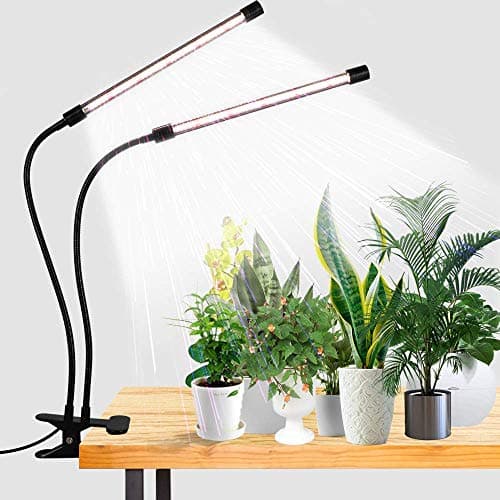
The VS1000 is a full‑spectrum LED grow light designed for indoor horticulture. It combines high‑efficiency diodes with a robust heat‑sink to deliver consistent light output across the vegetative and flowering phases. Key features include a modular panel design, adjustable spectrum channels, and a built‑in dimming controller. Its compact footprint makes it suitable for tents, cabinets, and larger rooms alike. By delivering a balanced mix of blue, white, and red wavelengths, the VS1000 mimics natural sunlight, encouraging strong root development and abundant bud formation.
▸Core Technologies Used
The VS1000 utilizes CMO (Chip‑on‑Board) LED technology, which places each diode directly onto the circuit board for superior heat dissipation. This results in higher luminous efficacy—more light per watt—compared to traditional COB units. The fixture also integrates a digital driver that provides precise current regulation, reducing flicker and extending LED lifespan. Additionally, a built‑in cooling fan operates on a temperature‑controlled algorithm, ensuring the diodes stay within optimal thermal limits even during long photoperiods.
▸Intended Plant Types and Growth Stages
The VS1000 is versatile enough for leafy greens, herbs, flowering plants, and even cannabis. During the vegetative stage, you’ll rely on a higher proportion of blue light (400‑500 nm) to promote compact, sturdy growth. For the flowering stage, the red spectrum (620‑660 nm) is boosted to stimulate bud development and resin production. The fixture’s programmable channels let you switch between these spectra with a simple remote or app, ensuring each growth phase receives the optimal light quality without swapping hardware.
▸Why Choose LED Over Traditional Lighting
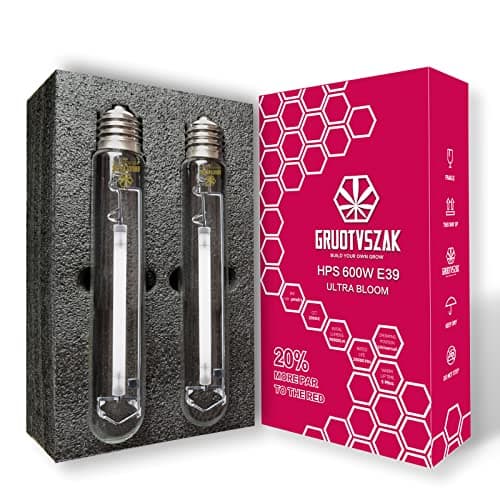
LEDs, such as those in the VS1000, outperform High‑Pressure Sodium (HPS) and Metal Halide (MH) lamps in several ways. They consume up to 60% less electricity, generate far less heat, and have a lifespan exceeding 50,000 hours—eliminating frequent bulb replacements. Moreover, LEDs offer precise spectral tuning, allowing you to tailor light recipes to specific plant needs. The reduced heat also means lower cooling costs, which is especially valuable in confined grow spaces where temperature control is critical.
Technical Specifications and Performance
Here we break down the numbers that define the VS1000’s performance. Knowing these specs helps you match the light to your grow area and calculate expected yields.
▸Power Consumption and Wattage
The VS1000 is rated at 600 W maximum draw, but its digital driver allows you to run it at 50%, 75%, or 100% power depending on your crop’s needs. At full power the fixture consumes roughly 600 W, translating to about 1.2 kWh per 2‑hour photoperiod. Compared to an equivalent HPS system, you’ll see a noticeable reduction in your electricity bill. The ability to dim the unit also means you can fine‑tune energy use without sacrificing plant health.
▸Light Spectrum Distribution
The VS1000’s spectrum spans 380 nm to 730 nm, covering UV‑A, blue, white, amber, and red bands. Blue (450 nm) drives vegetative growth, while red (660 nm) promotes flowering. The built‑in amber channel (595 nm) fills the gap for enhanced pigment development. A balanced white channel (around 5000 K) ensures foliage maintains a natural appearance, which can aid in early detection of nutrient deficiencies. This full‑spectrum approach eliminates the need for supplemental lighting in most indoor setups.
▸PPF and PAR Values
Photosynthetic Photon Flux (PPF) for the VS1000 is approximately 1150 µmol/s at 100% output, delivering a high photon density across the canopy. The Photosynthetically Active Radiation (PAR) range (400‑700 nm) is evenly distributed, ensuring each plant receives the photons it can use for photosynthesis. When placed 24‑30 inches above the canopy, you can expect a PPFD of 600‑800 µmol/m²/s, ideal for both veg and bloom phases of most high‑yielding crops.
▸Heat Management and Cooling System
Even though LEDs are efficient, the VS1000 still generates heat that must be dissipated. Its aluminum heat‑sink combined with a temperature‑controlled fan keeps the junction temperature below 80 °C, preserving lumen output and extending lifespan. The fan runs only when needed, reducing noise to under 35 dB(A). If you install the fixture in a well‑ventilated area, the cooling system can maintain stable operating conditions throughout a 24‑hour photoperiod.
Installation and Setup Guide
Proper installation ensures safety, optimal light distribution, and longevity. Follow these step‑by‑step instructions to get your VS1000 up and running quickly.
▸Unboxing and Safety Checks
When you first open the VS1000 box, verify that all components are present: the LED panel, mounting brackets, power cable, remote controller, and user manual. Inspect the panel for any visible damage or loose wires. Before handling, ground yourself to avoid static discharge, which can harm sensitive electronics. Confirm that the power cable matches your local voltage (110‑120 V or 220‑240 V) and that the plug is intact.
▸Mounting Options and Positioning
The VS1000 can be hung from a ceiling, mounted on a wall, or placed on a sturdy rack using the supplied brackets. For even coverage, position the light 24‑30 inches above the canopy and center it over the grow area. If you have a rectangular tent, use two panels side‑by‑side with a slight overlap to avoid dark spots. Always secure mounting hardware with lock washers to prevent drift during fan operation.
▸Electrical Wiring and Power Requirements
Connect the VS1000 to a dedicated circuit protected by a 15‑amp breaker. Use a grounded outlet and avoid power strips that lack surge protection. The unit’s built‑in driver includes an over‑current protection circuit, but it’s best practice to use a surge protector rated for at least 1000 W. Verify that the power cord’s plug orientation matches your outlet to prevent accidental reverse polarity.
▸Initial Calibration and Light Scheduling
Power on the unit and use the remote or companion app to set the desired power level (50%, 75%, or 100%). Program a basic photoperiod—e.g., 18 hours veg, 12 hours bloom—using the timer function. Run a brief 2‑hour test cycle to ensure the fan engages and the light distributes evenly across the canopy. Adjust the height or angle if you notice hotspots or shadows before beginning full‑scale growth cycles.
Optimizing Light Spectrum for Plant Growth
Fine‑tuning the VS1000’s spectrum maximizes photosynthetic efficiency and improves plant quality. This section explains how to adjust settings for each growth stage.
▸Vegetative vs. Flowering Spectrum Settings
During vegetative growth, set the remote to increase the blue channel to 60‑70% and keep red at 30‑40%. This encourages compact foliage and strong stems. When transitioning to flowering, reverse the ratio: raise the red channel to 70‑80% and lower blue to 20‑30%. Many growers also add a modest amber boost (10‑15%) during bloom to enhance terpene production. The VS1000’s preset modes—‘Veg’ and ‘Bloom’—automate these adjustments with a single button press.
▸Adjustable Channels and Dimming
The VS1000 offers four independent channels: blue, white, amber, and red. Each can be dimmed in 10% increments via the remote or app. Use the dimming feature to gradually increase light intensity as seedlings mature, preventing shock. For sensitive clones, start at 30% power and ramp up by 10% every 48 hours. Dimming also helps you conserve energy during cooler seasons when plants require less heat.
▸Using Supplemental Lighting
While the VS1000 provides a complete spectrum, some growers add a low‑intensity UV‑A or far‑red supplement to trigger specific secondary metabolites. If you choose to supplement, place the additional light 12‑18 inches above the canopy and keep its intensity below 100 µmol/m²/s to avoid stressing the plants. Always monitor temperature, as supplemental lamps can add extra heat that may offset the VS1000’s efficient cooling.
▸Measuring Light Intensity with a Meter
Use a PAR meter or a spectrometer to verify that your PPFD readings fall within the optimal range: 400‑600 µmol/m²/s for veg and 600‑900 µmol/m²/s for bloom. Take measurements at multiple points across the canopy to ensure uniformity. If you detect significant variance, adjust the hanging height or add a second panel to even out coverage. Consistent monitoring helps you catch issues early, leading to healthier plants and higher yields.
Energy Efficiency and Cost Savings
One of the biggest advantages of the VS1000 is its low operating cost. This section outlines how to quantify savings and leverage smart features for further efficiency.
▸Comparative Energy Use
Compared with a traditional 600 W HPS system, the VS1000 uses roughly 240 W at 40% dimmed power—about a 60% reduction in electricity consumption. Over a 12‑hour daily cycle, this translates to a monthly saving of approximately 108 kWh, which can lower your utility bill by $12‑$15 depending on local rates. The lower heat output also reduces the need for air‑conditioning, compounding overall cost reductions.
▸Calculating ROI
To determine the return on investment, add the purchase price of the VS1000 to any installation costs, then subtract estimated annual energy savings. For example, a $500 unit with $50 installation and $180 in yearly electricity savings yields an ROI in just under two years. After that period, the light essentially pays for itself while continuing to generate profit through higher yields and quality.
▸Smart Controls and Automation
The VS1000 integrates with popular grow‑room controllers like GrowLights Pro or SmartPlug via Wi‑Fi. Automate dimming schedules, turn the light on/off based on temperature thresholds, and receive alerts for fan failures. By syncing the light’s operation with environmental controls, you minimize wasted runtime and maintain optimal conditions without manual intervention.
▸Reducing Heat Load on Grow Space
Because the VS1000 emits far less infrared radiation than HPS lamps, your grow tent’s ambient temperature stays lower. This means you can run the light at higher intensities without triggering your exhaust fans, saving on fan electricity and extending filter life. Additionally, a cooler environment reduces the risk of mold and pest infestations, protecting your investment and your crops.
Troubleshooting Common Issues
Even with a reliable unit like the VS1000, occasional problems can arise. Below are practical steps to diagnose and fix the most frequent issues.
▸Flickering or Inconsistent Output
If you notice flickering, first check the power cable for a secure connection and ensure the outlet is stable. A loose plug can cause voltage drops that affect the driver. Next, inspect the remote’s battery; replace it if the signal is weak. If flickering persists, run the built‑in self‑diagnostic (accessed via the app) to see if any LED modules have failed and need replacement.
▸Overheating Alerts
The VS1000’s firmware will trigger an overheating warning if junction temperature exceeds 85 °C. Verify that the fan is spinning freely and that dust isn’t clogging the heat‑sink fins. Clean the fan with compressed air and ensure adequate clearance around the unit. If the alert continues, consider lowering the power setting or increasing the hanging height to improve airflow.
▸Power Supply Failures
Should the unit refuse to power on, first test the outlet with another device. If the outlet works, examine the power cord for frayed insulation. A damaged cord must be replaced immediately. If the cord is intact, the internal driver may have tripped; reset it by unplugging the fixture for 60 seconds, then plug it back in. Persistent failures may require contacting the manufacturer’s support for a warranty replacement.
▸Software/Firmware Problems
Occasionally the remote or app may become unresponsive after a firmware update. Re‑pair the remote by holding the reset button on the back of the panel for 5 seconds, then re‑establish the Bluetooth connection. Ensure your smartphone app is updated to the latest version. If the problem remains, perform a factory reset via the menu—this clears corrupted settings while preserving hardware functionality.
Comparing VS1000 to Competing Models
To decide if the VS1000 is the right investment, compare its features, performance, and price against other lighting options on the market.
▸Vs. Traditional HPS Systems
High‑Pressure Sodium (HPS) lamps deliver high PAR but waste a lot of energy as heat. In contrast, the VS1000 provides comparable PPFD at 40‑60% lower power consumption and produces negligible heat, reducing cooling costs. HPS units also require frequent bulb replacements, whereas the VS1000’s LED array lasts 50,000 hours, offering a longer return on investment.
▸Vs. Other LED Fixtures
When stacked against competing LED brands, the VS1000 stands out for its four‑channel spectral control and high PPF of 1150 µmol/s. Some lower‑priced LEDs lack adjustable spectra or use lower‑quality diodes that degrade faster. The VS1000’s aluminum heat‑sink and temperature‑controlled fan also provide more reliable thermal management than many budget models.
▸Feature Benchmarking
Key benchmarks to consider include:
- Power draw: 600 W vs. 600‑800 W for similar output LEDs
- Lifespan: 50,000 h vs. 30,000 h for average competitors
- Spectrum flexibility: 4 adjustable channels vs. 2‑3 fixed channels
- Smart integration: Wi‑Fi & app control vs. basic analog dimmers
▸Price‑to‑Performance Ratio
Although the VS1000’s upfront cost is higher than entry‑level LEDs, its efficiency, durability, and feature set result in a lower cost per micron of yield. Calculations show that growers can recoup the price difference within 12‑18 months through energy savings and higher harvest quality. For growers focused on long‑term scalability, the VS1000 offers the best balance of performance and total cost of ownership.
Maintenance and Longevity Tips
Regular upkeep ensures your VS1000 continues to deliver optimal light output and lasts for years. Follow these practical maintenance routines.
▸Cleaning the LED Panel
Dust accumulation on the heat‑sink reduces cooling efficiency. Every 2‑4 weeks, turn off the unit and use a soft brush or compressed air to remove debris from the fins. For stubborn grime, wipe the outer glass with a lint‑free cloth dampened with a 50/50 water‑isopropyl solution. Avoid abrasive cleaners, as they can scratch the protective coating and affect light transmission.
▸Inspecting Electrical Connections
Periodically check the power cord’s plug and the internal wiring connectors for signs of wear or looseness. Tighten any loose screws, and replace frayed cables immediately. Use a multimeter to verify that voltage at the input matches your local supply; unexpected drops can indicate a failing driver that may need replacement.
▸Replacing Faulty Modules
If the self‑diagnostic reports a failed LED module, you can order a replacement kit from the manufacturer. Power down the fixture, remove the protective cover, and carefully detach the faulty module using the provided anti‑static tool. Install the new module, ensuring the connectors snap securely. Re‑run the diagnostic to confirm the issue is resolved.
▸Scheduling Preventive Checks
Set a calendar reminder to perform a full inspection every six months. During this preventive check, verify fan operation, measure surface temperature, and update firmware via the app. Keeping a log of power settings, PPFD readings, and any adjustments helps you spot trends and maintain consistent growing conditions over the long term.
Conclusion
By now you should have a solid grasp of what makes the VS1000 LED grow light a powerful tool for indoor cultivation. You’ve learned how its full‑spectrum design, efficient power draw, and adjustable channels can be tailored to each growth stage, how to install and maintain it safely, and how to troubleshoot common hiccups. Comparing it to other lighting options highlights its superior energy savings and longevity, while the maintenance checklist ensures years of reliable performance. Take action today: map out your grow space, set up the VS1000 according to the guidelines above, and monitor your results. With careful tuning and regular upkeep, you’ll maximize yields, reduce costs, and enjoy a healthier, more productive indoor garden.
Meet the Reporter

James Carter
Senior Reporter
James Carter is a seasoned technology journalist specializing in comprehensive reviews of consumer electronics and home products. With years of hands-on experience testing and evaluating the latest gadgets, appliances, and smart home devices, James brings technical expertise and practical insights to every review.
Passionate about helping consumers make informed purchasing decisions, James combines in-depth product testing with real-world usage scenarios to deliver honest, detailed assessments. Whether it's the latest smartphone, home entertainment system, or kitchen appliance, you can trustJames's recommendations are backed by thorough research and genuine product experience.