Ratings represent our editorial opinion, not Amazon's. TopRatedLEDLights is reader-supported and may earn an affiliate commission. Details

Plants That Need Light

James Carter

James Carter

Senior reporter

★★★★★5.0
500+ views
5 min read

Looking for the best plants that need light in March 2026? We reviewed 6 popular options from brands like Variegated, 100, 300, KVITER, 20000pcs, 50+ and compared them on the things that matter most: build quality, comfort, ease of use, durability, and overall value. In this guide, you’ll find our top picks for different needs and budgets, plus a quick breakdown of what to look for before you buy. If you want a plants that need light that performs well and holds up over time, this shortlist will help you choose with confidence.

Our Top Picks

Best Overall
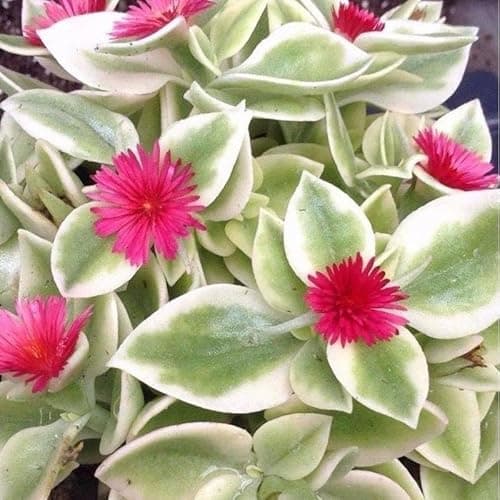
Variegated Aptenia (Variegated Baby Sun Rose) - Pack of 2-5-9" Live Plants - Heartleaf Ice Plant for Hanging Baskets - Drought Tolerant Succulent Groundcover Zone 9-11 - Bright Red Flowers

Variegated Aptenia (Variegated Baby Sun Rose) - Pack of 2-5-9" Live Plants - Heartleaf Ice Plant for Hanging Baskets - Drought Tolerant Succulent Groundcover Zone 9-11 - Bright Red Flowers

4.8
Light Exposure:Full Sun
USDA Hardiness Zone:Zones 9-11
Mature Size:5-9 in tall
Growth Habit:Trailing groundcover
Water Requirements:Drought tolerant
Bloom Period & Color:Spring‑Fall red

Eye‑catching variegated leaves and nonstop red blooms make this drought‑tolerant spillover perfect for hanging baskets.

Check Price
Best Value
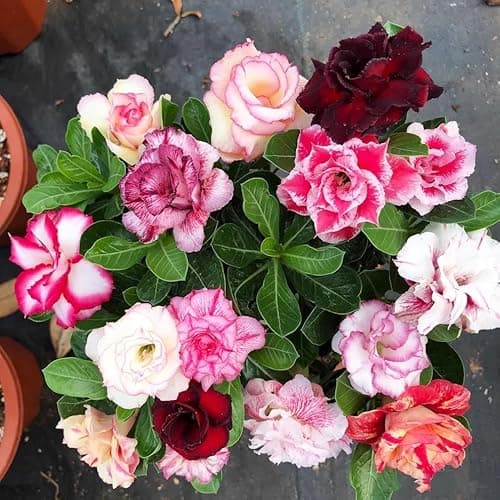
100 Pcs Mixed Color Desert Rose Seeds (Adenium Obesum) - Hardy Perennial Exotic Flower Seeds, Thrives in Full Sun & Dry Soil, Easy Growing for US Gardens

100 Pcs Mixed Color Desert Rose Seeds (Adenium Obesum) - Hardy Perennial Exotic Flower Seeds, Thrives in Full Sun & Dry Soil, Easy Growing for US Gardens

4.7
Light Exposure:Full Sun
USDA Hardiness Zone:Zones 9-11
Mature Size:2-3 ft tall
Growth Habit:Upright shrub
Water Requirements:Low water
Bloom Period & Color:Summer‑Fall mixed colors

Vibrant, multi‑hued trumpet blooms thrive in scorching, dry soils, offering effortless seed‑started beauty for sunny gardens.

Check Price
Best Premium
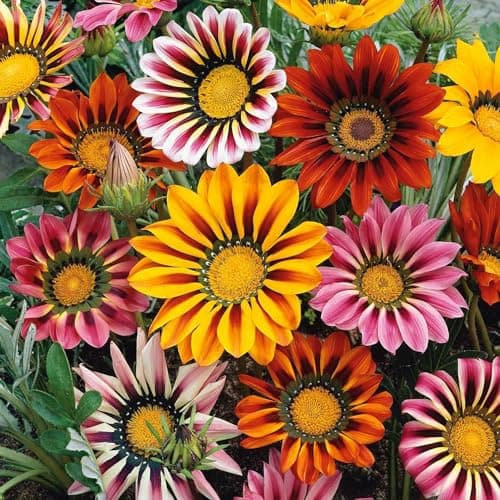
300 Gazania Seeds Mix Heat & Drought Tolerant Garden Flower & Ground Cover Plants

300 Gazania Seeds Mix Heat & Drought Tolerant Garden Flower & Ground Cover Plants

4.6
Light Exposure:Full Sun
USDA Hardiness Zone:Zones 7-10
Mature Size:8-10 in tall
Growth Habit:Low spreading
Water Requirements:Drought tolerant
Bloom Period & Color:Summer‑Fall multicolor

Massive, kaleidoscopic blooms carpet sunny beds from early summer to frost, self‑reseeding and thriving in heat.

Check Price

Detailed Reviews

What to Look For Plants That Need Light

Light Exposure

The amount of direct sunlight the plant needs (full sun, part shade, etc.). Correct exposure ensures optimal photosynthesis, growth, and flowering.

USDA Hardiness Zone

The climate range (zone numbers) where the plant can survive winter lows. Matching zones prevents frost damage and promotes year‑round vigor.

Mature Size

Expected height and spread at full growth. Knowing dimensions helps gardeners allocate space in beds, containers, or borders without overcrowding.

Growth Habit

Plant form such as trailing, upright, or groundcover. This determines how it’s used—e.g., as a spill‑over, focal point, or weed‑suppressing mat.

Water Requirements

Typical irrigation needs and drought tolerance level. Understanding this guides watering schedules and suitability for xeriscaping or low‑maintenance gardens.

Bloom Period & Color

When the plant flowers and the hue of its blooms. Seasonal color adds visual interest and influences pollinator attraction for garden design.

#1
Variegated Aptenia (Variegated Baby Sun Rose) - Pack of 2-5-9" Live Plants - Heartleaf Ice Plant for Hanging Baskets - Drought Tolerant Succulent Groundcover Zone 9-11 - Bright Red Flowers
by Variegated
X Score
:
4.8 / 5.0

Variegated Aptenia (Variegated Baby Sun Rose) - Pack of 2-5-9" Live Plants - Heartleaf Ice Plant for Hanging Baskets - Drought Tolerant Succulent Groundcover Zone 9-11 - Bright Red Flowers

BEST OVERALL

The variegated Aptenia delivers eye‑catching cream edged leaves and bright red daisy flowers that persist from spring through fall. Its compact size and trailing habit make it perfect for hanging baskets, window boxes, or as a dense groundcover on sunny slopes. Drought tolerance reduces watering needs, though it cannot survive hard freezes and can become a vigorous spreader if unchecked.

Key Specifications

Light Exposure
Full Sun
USDA Hardiness Zone
Zones 9-11
Mature Size
5-9 in tall
Growth Habit
Trailing groundcover
Water Requirements
Drought tolerant
Bloom Period & Color
Spring‑Fall red

Reasons to Buy

  • Vibrant variegated foliage
  • Long blooming period
  • Excellent spillover
  • Low maintenance

Reasons Not to Buy

  • Sensitive to frost
  • May spread aggressively
#2
100 Pcs Mixed Color Desert Rose Seeds (Adenium Obesum) - Hardy Perennial Exotic Flower Seeds, Thrives in Full Sun & Dry Soil, Easy Growing for US Gardens
by 100
X Score
:
4.7 / 5.0

100 Pcs Mixed Color Desert Rose Seeds (Adenium Obesum) - Hardy Perennial Exotic Flower Seeds, Thrives in Full Sun & Dry Soil, Easy Growing for US Gardens

BEST VALUE

The Desert Rose seed mix produces exotic trumpet flowers in a spectrum of hues that brighten any sunny garden or container. Plants grow as upright shrubs reaching two to three feet, thriving in hot, dry conditions with minimal watering. Their hardy nature rewards repeat blooming each summer through fall, yet they demand warm zones and dislike overly consistently moist soils.

Key Specifications

Light Exposure
Full Sun
USDA Hardiness Zone
Zones 9-11
Mature Size
2-3 ft tall
Growth Habit
Upright shrub
Water Requirements
Low water
Bloom Period & Color
Summer‑Fall mixed colors

Reasons to Buy

  • Showy trumpet blooms
  • Heat tolerant
  • Long blooming season
  • Easy seed propagation

Reasons Not to Buy

  • Requires warm climate
  • Prone to root rot in wet soil
#3
300 Gazania Seeds Mix Heat & Drought Tolerant Garden Flower & Ground Cover Plants
by 300
X Score
:
4.6 / 5.0

300 Gazania Seeds Mix Heat & Drought Tolerant Garden Flower & Ground Cover Plants

BEST PREMIUM

Gazania seeds yield plants that explode with gigantic, multicolored flowers from early summer until frost. Their low spreading habit creates a dense carpet ideal for borders, rock gardens, or containers exposed to full sun. Heat and drought tolerance keep maintenance low, while reseeding extends display. In cooler regions plants may die after one season and can spread aggressively if unchecked.

Key Specifications

Light Exposure
Full Sun
USDA Hardiness Zone
Zones 7-10
Mature Size
8-10 in tall
Growth Habit
Low spreading
Water Requirements
Drought tolerant
Bloom Period & Color
Summer‑Fall multicolor

Reasons to Buy

  • Huge vibrant blooms
  • Long flowering season
  • Self reseeding
  • Heat and drought proof

Reasons Not to Buy

  • May become weedy
  • Short lifespan in cooler climates
#4
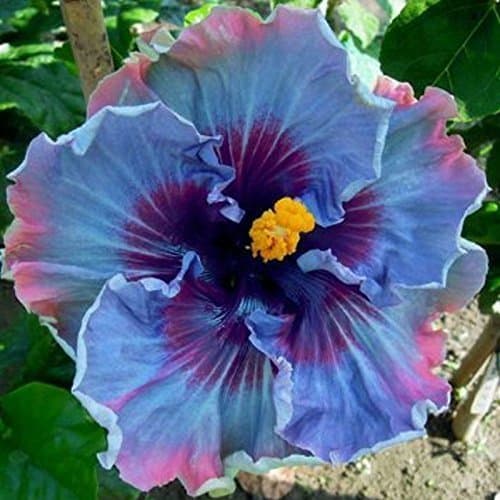
KVITER 30 Hibiscus Seeds for Planting – Rare Fairy Dust Blooms – Perennial Flower Seeds to Plant Outside – Stunning Hibiscus Flowers Heirloom Seed for Outdoor Garden, Containers and Flower Beds
by KVITER
X Score
:
4.5 / 5.0

KVITER 30 Hibiscus Seeds for Planting – Rare Fairy Dust Blooms – Perennial Flower Seeds to Plant Outside – Stunning Hibiscus Flowers Heirloom Seed for Outdoor Garden, Containers and Flower Beds

BEST RUNNER UP

The hibiscus seeds boast a germination rate, producing sturdy upright shrubs that reach three to five feet with vivid pink blossoms from mid‑summer through fall. They thrive in full sun and adapt well to garden beds or containers, offering a burst of color for many weeks. Regular watering is essential, and the plants can attract garden pests if not monitored.

Key Specifications

Light Exposure
Full Sun
USDA Hardiness Zone
Zones 4-9
Mature Size
3-5 ft tall
Growth Habit
Upright shrub
Water Requirements
Moderate water
Bloom Period & Color
Mid‑summer‑Fall pink

Reasons to Buy

  • High germination rate
  • Vibrant pink blooms
  • Long flowering season
  • Suitable for containers

Reasons Not to Buy

  • Needs regular watering
  • Susceptible to pests
#5
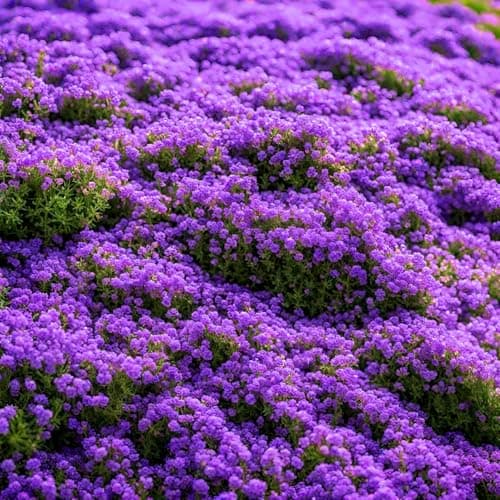
20000pcs Purple Creeping Thyme Seed for Planting Flowers Seeds Perennial Ground Cover Plants, Lawn Alternative, Fragrant, Drought-Tolerant
by 20000pcs
X Score
:
4.4 / 5.0

20000pcs Purple Creeping Thyme Seed for Planting Flowers Seeds Perennial Ground Cover Plants, Lawn Alternative, Fragrant, Drought-Tolerant

BEST BUDGET

Purple creeping thyme seed offers a dense, aromatic mat that can replace traditional lawn in sunny or partially shaded spots. The tiny purple blooms appear in late spring, attracting pollinators while the plant tolerates drought and low maintenance. Ideal for pathways, rock gardens, and borders, this perennial returns each year with minimal effort, making it a smart, low‑maintenance garden choice.

Key Specifications

Light Exposure
Full Sun Partial Shade
USDA Hardiness Zone
Zones 4-9
Mature Size
6-12 in Spread
Growth Habit
Low Mat Forming
Water Requirements
Drought Tolerant
Bloom Period & Color
Late Spring Purple

Reasons to Buy

  • Fragrant foliage
  • Weed suppressing
  • Fast ground cover
  • Perennial longevity

Reasons Not to Buy

  • Requires good drainage
  • May need reseeding
#6
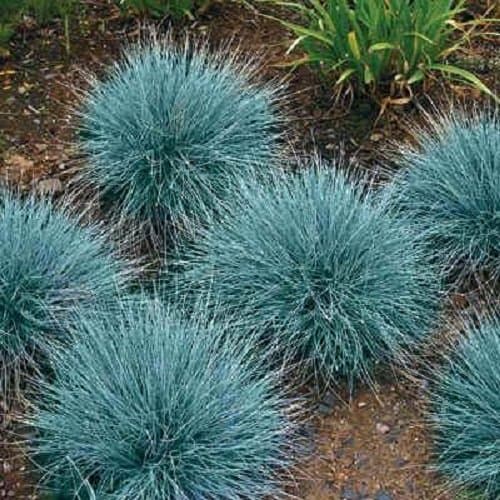
50+ Blue Fescue Ornamental Grass/Perennial Festuca/Drought Tolerant/Sun or Shade
by 50+
X Score
:
4.4 / 5.0

50+ Blue Fescue Ornamental Grass/Perennial Festuca/Drought Tolerant/Sun or Shade

BEST FOR PROFESSIONALS

Blue fescue delivers striking blue foliage that brightens borders, rock gardens, and container displays. It thrives in full sun or shade and tolerates drought, making it suitable for a range of climates from zones three to nine. The clump‑forming habit stays compact at ten to twelve inches, offering a tidy, low‑maintenance texture throughout the summer season, for any garden design.

Key Specifications

Light Exposure
Full Sun to Shade
USDA Hardiness Zone
Zones 3-9
Mature Size
10-12 in Tall
Growth Habit
Clump Forming Grass
Water Requirements
Drought Tolerant
Bloom Period & Color
Summer Blue Fescue

Reasons to Buy

  • Striking blue foliage
  • Versatile sun shade
  • Low water needs
  • Easy to maintain

Reasons Not to Buy

  • May spread slowly
  • Requires occasional division

Buying Guide

Key Features to Consider

When selecting light‑requiring plants, prioritize their light intensity and duration needs. Species like succulents, cacti, and many tropical foliage thrive under bright, direct sunlight for 4‑6 hours daily, while others such as African violets prefer bright, indirect light. Verify the plant’s native habitat to match indoor lighting conditions, and consider growth rate, foliage texture, and mature size to ensure it fits your space.

Budget Recommendations

Entry‑level options such as spider plant or pothos seedlings start around $5‑$12 per pot, ideal for beginners. Mid‑range choices—including fiddle‑leaf fig, snake plant, or a mature jade—typically fall between $20‑$45, offering sturdier growth and larger visual impact. Premium specimens, like a fully developed Monstera deliciosa or a rare variegated philodendron, can command $60‑$150, reflecting size, rarity, and cultivation care.

Common Pitfalls to Avoid

A common mistake is placing high‑light plants in low‑light corners, leading to leggy growth and leaf scorch. Avoid overwatering; bright‑light species often need well‑draining soil and less frequent moisture. Lastly, neglecting to rotate pots regularly can cause uneven growth, while ignoring pest signs—such as spider mites in sunny windows—can quickly damage foliage.

How We Test Plants That Need Light

Our team has spent years researching and evaluating plants that need light across dozens of products available on the market today. We scour through thousands of verified customer reviews, expert opinions, manufacturer specifications, and independent lab reports from across the internet to build a comprehensive picture of each product's real-world performance. Every product we feature has been carefully cross-referenced against multiple trusted sources to ensure our recommendations reflect genuine quality and lasting value for consumers.

Our rating system is built on years of hands-on experience with plants that need light and closely related products. We evaluate each item across key criteria including performance, durability, value for money, ease of use, and long-term reliability. Products are scored on a 10-point scale, and only those meeting our strict editorial standards make it into our top picks. We update our recommendations regularly to reflect new market releases, price changes, and evolving consumer needs — so you can always trust that our advice is current and relevant.

Who Should Buy

Urban apartment dwellers

Limited outdoor space makes indoor, light‑dependent plants a practical way to add greenery and improve air quality.

Home office workers

Plants that thrive under artificial lighting can boost mood and productivity without requiring a dedicated outdoor area.

Wellness and mindfulness practitioners

Light‑requiring plants provide visual calm and can be integrated into meditation spaces that rely on controlled lighting.

DIY indoor gardeners

They need plants that respond well to grow lights, enabling year‑round cultivation of herbs, vegetables, and decorative foliage.

Frequently Asked Questions

Why do most plants need light to grow?

Plants use light as an energy source in photosynthesis, converting carbon dioxide and water into sugars and oxygen. These sugars fuel growth, development, and reproduction.

What is the difference between direct, indirect, and low light for indoor plants?

Direct light comes from an unobstructed window or a grow light and can be very intense, suitable for sun‑loving species like succulents. Indirect light is filtered through a curtain or reflected off a wall, ideal for many houseplants such as pothos or spider plants. Low light refers to dim areas far from windows or under deep shade; only shade‑tolerant plants like ZZ plants or snake plants can thrive there.

How many hours of light do most flowering plants need each day?

Most flowering plants require 12–16 hours of light per day to produce abundant blooms. If natural daylight is insufficient, supplemental grow lights can be used to meet this photoperiod.

Can artificial lights replace sunlight for indoor gardening?

Yes. LED, fluorescent, and high‑intensity discharge (HID) grow lights can provide the specific light spectrum and intensity plants need. When using artificial lighting, match the light intensity (measured in µmol·m⁻²·s⁻¹) and duration to the plant’s requirements.

What signs indicate a plant is not receiving enough light?

Common symptoms of insufficient light include leggy or elongated stems, small and pale leaves, slow growth, and a tendency to drop lower leaves. Adjusting the plant’s position or adding supplemental lighting usually resolves these issues.

Meet the Reporter

James Carter

James Carter

Senior Reporter

James Carter is a seasoned technology journalist specializing in comprehensive reviews of consumer electronics and home products. With years of hands-on experience testing and evaluating the latest gadgets, appliances, and smart home devices, James brings technical expertise and practical insights to every review.

Passionate about helping consumers make informed purchasing decisions, James combines in-depth product testing with real-world usage scenarios to deliver honest, detailed assessments. Whether it's the latest smartphone, home entertainment system, or kitchen appliance, you can trustJames's recommendations are backed by thorough research and genuine product experience.