Ratings represent our editorial opinion, not Amazon's. TopRatedLEDLights is reader-supported and may earn an affiliate commission. Details
Indoor Can Light Bulbs
Learn everything you need to know about indoor can light bulbs. Comprehensive guide with expert tips, best practices, and actionable advice.
Indoor can light bulbs are the heart of recessed lighting, delivering focused illumination that blends seamlessly into ceilings. Whether you’re renovating a kitchen, upgrading a home office, or designing a modern living room, the right bulb can dramatically affect brightness, energy use, and visual comfort. In this guide, you’ll learn how different bulb technologies work, what factors influence performance, and how to select, install, and maintain can light bulbs for optimal results. We’ll also cover common pitfalls, troubleshooting tips, and design strategies so you can make informed decisions that enhance both function and style in any indoor space.
Understanding Indoor Can Light Bulbs Basics
Before diving into specifics, it’s essential to grasp what makes a can light bulb distinct from other lighting options. This foundation helps you evaluate compatibility, performance, and suitability for your projects.
▸What Is a Can Light?
A can light (also called recessed lighting) is a fixture installed within a ceiling cavity, leaving only a trim and bulb visible. The housing, or "can," houses the bulb and wiring, providing a clean, unobtrusive look. Because the fixture is recessed, the light distribution is directed downward, reducing glare and emphasizing task or ambient lighting.
▸How Bulbs Fit Inside the Can
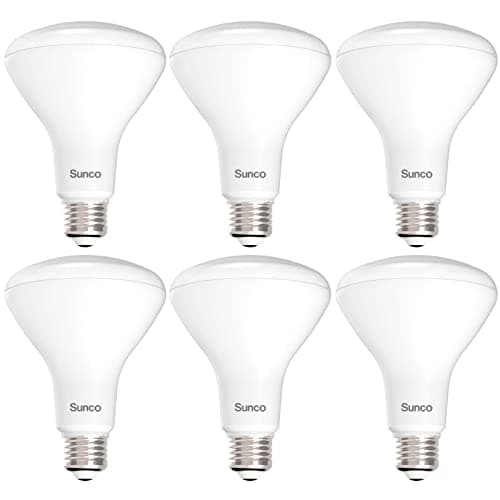
Bulbs for cans must conform to the fixture’s size and heat‑dissipation requirements. Most residential cans accommodate A15 or BR30 bulbs, though newer designs accept smaller GU10 or MR16 LEDs. The bulb’s base (e.g., E26, GU10) must match the socket, and the shape influences beam spread and mounting depth.
▸Why Bulb Choice Matters
The bulb determines the can light’s lumens (brightness), color temperature, energy draw, and lifespan. Choosing the wrong type can cause overheating, flicker, or insufficient illumination, compromising both safety and aesthetics. Understanding these variables ensures you achieve the intended lighting effect while staying within code and efficiency goals.
Types of Bulbs for Can Lights
Multiple bulb technologies are available, each with unique advantages and limitations. Selecting the right type depends on your budget, performance needs, and the specific can housing.
▸Incandescent and Halogen
Traditional incandescent and halogen bulbs deliver warm, continuous spectra and excellent dimming performance. However, they consume more power (40‑75 W for comparable brightness) and have shorter lifespans (≈1,000 hours). Use them sparingly in historic renovations or where specific color rendering is critical.
▸Compact Fluorescent Lamps (CFLs)
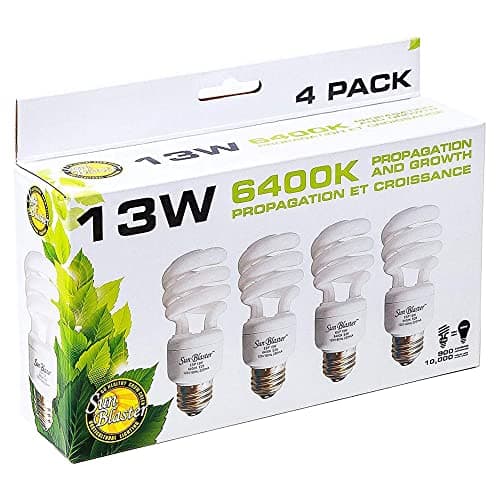
CFLs offer better efficiency than incandescents (≈13‑25 W for similar output) and longer life (≈8,000 hours). They are available in spiral and tube forms that can fit many cans, but they may exhibit a slight color shift over time and can be sensitive to temperature extremes.
▸Light‑Emitting Diodes (LEDs)
LED bulbs dominate the market due to their high efficiency (5‑15 W for 800‑lumens output), long lifespan (≥25,000 hours), and flexible color temperatures. Modern LEDs are designed for recessed fixtures, featuring low heat output and built‑in dimming compatibility. They are the most cost‑effective choice for most indoor can applications.
Choosing the Right Brightness and Color Temperature
Brightness (lumens) and color temperature (Kelvin) define how a space feels. Proper selection ensures comfort, functionality, and visual harmony.
▸Determining Required Lumens
Estimate lumens using the formula lumens = room square footage × desired foot‑candles. For general ambient lighting, aim for 10‑20 foot‑candles; for task areas like kitchens, target 30‑40 foot‑candles. Multiply the room area by the chosen foot‑candle level to get the total lumens, then divide by the output of a single bulb to decide how many cans you need.
▸Selecting Color Temperature
Color temperature influences mood. Warm white (2700‑3000 K) creates cozy atmospheres ideal for living rooms and bedrooms. Neutral white (3500‑4100 K) works well in kitchens and bathrooms where clarity matters. Daylight (5000‑6500 K) is best for task‑oriented spaces like home offices. Choose a temperature that matches the room’s purpose and existing décor.
▸Balancing Brightness and Energy Use
Higher lumens often mean higher wattage, but LEDs break this link. Opt for a bulb that meets your lumen target at the lowest wattage—this maximizes energy savings. For example, an 800‑lumen LED may draw only 10 W, whereas a comparable halogen could require 60 W. Review the packaging’s lumens per watt rating to compare efficiency.
Energy Efficiency and Lifespan Considerations
Beyond illumination quality, efficiency and durability affect long‑term costs and environmental impact. Understanding these metrics helps you make sustainable choices.
▸Understanding ENERGY STAR Ratings
Look for the ENERGY STAR label, which certifies that the bulb meets strict efficiency and performance standards. ENERGY STAR LEDs typically deliver at least 75 lumens per watt and have a rated life of 25,000 hours. Choosing certified products ensures you receive reliable, low‑energy lighting.
▸Calculating Return on Investment (ROI)
Estimate ROI by comparing initial cost to energy savings. For example, replacing a 60‑W incandescent with a 10‑W LED saves 50 W per hour. Multiply the saved watts by electricity rates (e.g., $0.13/kWh) and expected usage hours per year to determine annual savings. Divide the price difference by yearly savings to gauge payback period.
▸Heat Management and Fixture Longevity
Even low‑heat LEDs can affect a can’s lifespan if ventilation is poor. Choose bulbs rated for recessed fixtures and ensure the trim has adequate airflow. Overheating can reduce both bulb and fixture lifespan, leading to premature failure and potential fire hazards.
Installation Tips and Safety Practices
Proper installation protects your home, ensures compliance with electrical codes, and maximizes performance. Follow these best‑practice steps before you begin.
▸Preparing the Work Area
Turn off power at the breaker and verify with a non‑contact voltage tester. Clear the ceiling area of debris, and if you’re cutting a new opening, use a **keyhole saw** sized for the can housing. Keep dust masks and safety glasses handy to protect against insulation particles.
▸Wiring the Can Light
Connect the fixture’s **black (hot)** wire to the supply’s black wire, the **white (neutral)** to the supply’s white, and the **ground** to the metal box or green wire. Use **wire nuts** rated for the gauge, and tuck connections neatly into the housing. Follow local code requirements for box depth and support.
▸Securing the Trim and Bulb
After wiring, attach the trim using the supplied spring clips or screws. Choose a trim with the appropriate **IC rating** for insulation contact if the can sits within insulation. Insert the bulb, ensuring it seats fully and the base aligns with the socket. Test the light before closing any ceiling panels.
Common Issues and Troubleshooting
Even with careful installation, problems can arise. This section helps you diagnose and resolve typical can‑light challenges.
▸Flickering or Intermittent Light
Flicker often results from loose connections, incompatible dimmers, or a bulb that isn’t rated for **recessed fixtures**. Re‑tighten wire nuts, verify that the dimmer supports LED loads, and replace the bulb with a **dimmable LED** if necessary.
▸Overheating and Burnt‑Out Bulbs
Excess heat can cause premature bulb failure. Check that the trim has sufficient **airflow slots**, and confirm the bulb’s **IC rating** matches the installation. If the ceiling insulation touches the can, replace it with an **IC‑rated** can or add a thermal barrier.
▸Uneven Light Distribution
Spotty illumination may stem from using a bulb with an unsuitable **beam angle**. Wide‑beam (≥120°) LEDs provide even spread for general lighting, while narrow‑beam (≤60°) is better for accent or spotlighting. Swap the bulb for one with a beam angle matching the intended effect.
Design Integration and Aesthetic Choices
Beyond function, can lights contribute to a room’s visual language. Thoughtful design decisions elevate both style and utility.
▸Choosing Trim Styles
Trim determines the visible footprint and can affect light quality. **Baffle trims** reduce glare and are ideal for workspaces, while **reflector trims** maximize brightness for accent lighting. **Seymour‑style** trims offer a sleek, modern look, and **LED‑integrated trims** eliminate the need for a separate bulb.
▸Layering Light for Depth
Combine recessed can lights with **ambient fixtures** (e.g., chandeliers) and **task lighting** (under‑cabinet LEDs) to create a layered effect. Use **zoning**—group cans in zones controlled by separate switches or dimmers—to adapt lighting for different activities, such as dining versus movie nights.
▸Color Consistency Across Fixtures
When mixing bulb types, maintain consistent **color temperature** to avoid mismatched hues. Purchase all bulbs from the same manufacturer or series, and verify the **CRI (Color Rendering Index)** is ≥80 for natural color representation, especially in kitchens and closets.
Maintenance, Replacement, and Recycling
Proper upkeep prolongs performance and ensures safety. Learn how to maintain, replace, and responsibly dispose of your can‑light bulbs.
▸Routine Cleaning
Dust accumulation on trims reduces light output and can cause overheating. Use a soft brush or vacuum with a **crevice tool** to remove debris every 3‑6 months. For glass trims, wipe with a damp cloth and mild detergent; avoid abrasive cleaners that may scratch the surface.
▸Replacing Burned‑Out Bulbs
Turn off power at the breaker before removal. Gently twist the bulb counter‑clockwise; if it’s stuck, apply a small amount of **rubber grip**. Install the new bulb by aligning the base and turning clockwise until snug. Verify that the replacement matches the original’s **wattage, base type, and IC rating**.
▸Eco‑Friendly Disposal
LEDs contain small amounts of electronic components and should be recycled rather than trashed. Check local regulations for **e‑waste collection points**. Many hardware stores accept used LEDs for proper processing. Halogen and CFL bulbs also have specific recycling programs due to mercury content in CFLs.
Conclusion
Choosing the right indoor can light bulbs involves balancing brightness, color temperature, efficiency, and safety. By understanding bulb types, calculating lumen needs, and selecting ENERGY STAR‑rated LEDs with appropriate IC ratings, you can achieve consistent illumination while minimizing energy costs. Proper installation—following wiring best practices and ensuring adequate ventilation—prevents common problems like flicker or overheating. Finally, routine maintenance and responsible recycling keep your lighting system performing at its best for years to come. Apply these guidelines, and you’ll create well‑lit, comfortable spaces that reflect both functional excellence and thoughtful design.
Meet the Reporter

James Carter
Senior Reporter
James Carter is a seasoned technology journalist specializing in comprehensive reviews of consumer electronics and home products. With years of hands-on experience testing and evaluating the latest gadgets, appliances, and smart home devices, James brings technical expertise and practical insights to every review.
Passionate about helping consumers make informed purchasing decisions, James combines in-depth product testing with real-world usage scenarios to deliver honest, detailed assessments. Whether it's the latest smartphone, home entertainment system, or kitchen appliance, you can trustJames's recommendations are backed by thorough research and genuine product experience.