Ratings represent our editorial opinion, not Amazon's. TopRatedLEDLights is reader-supported and may earn an affiliate commission. Details
Candelabra Bulbs 40 Watt
Learn everything you need to know about candelabra bulbs 40 watt. Comprehensive guide with expert tips, best practices, and actionable advice.
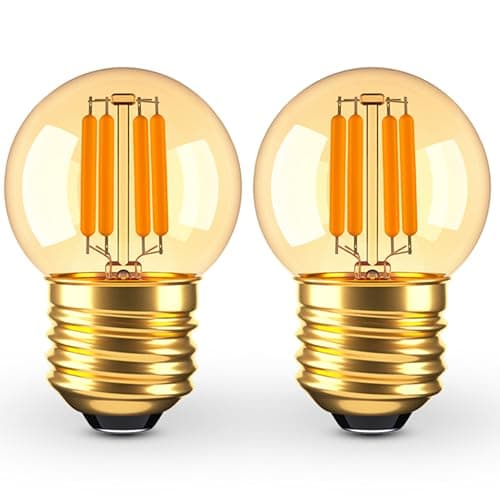
Candelabra bulbs rated at 40 watts are a classic lighting choice that blends vintage charm with modern performance. Whether you’re updating a chandelier, accenting a dining table, or adding sparkle to a garden fixture, understanding these bulbs helps you select the right product, maximize efficiency, and ensure safe installation. In this guide, you’ll learn about the technical specs, base types, energy considerations, practical installation tips, common uses, troubleshooting steps, and emerging alternatives. Armed with this knowledge, you’ll be able to make informed decisions that enhance both the aesthetic and functional quality of your lighting projects.
Understanding Candelabra Bulb Basics
Before diving into specifics, it’s essential to grasp what makes a candelabra bulb distinct. This foundation will help you compare options and recognize how a 40‑watt version fits into your lighting scheme.
▸Definition and History
The term candelabra bulb originates from early electric lighting that mimicked candle flames. Historically used in ornate fixtures, these bulbs feature a smaller base (E12) compared to standard household bulbs (E26). Over the decades, they evolved from incandescent to halogen, LED, and even smart variants, retaining their decorative appeal while improving performance.
▸Typical Applications
40‑watt candelabra bulbs are popular in chandeliers, wall sconces, pendant lights, and outdoor lanterns. Their moderate wattage provides sufficient brightness for ambient lighting without overwhelming a space, making them ideal for dining rooms, entryways, and patio settings.
▸Key Benefits
Choosing a 40‑watt candelabra bulb offers several advantages:
- Balanced illumination – enough lumens for functional lighting while preserving a warm ambience.
- Compatibility with a wide range of fixtures designed for E12 bases.
- Versatility across decorative and functional contexts, from classic crystal chandeliers to modern industrial pendants.
Technical Specifications of 40‑Watt Candelabra Bulbs
Understanding the numbers behind the bulb helps you match performance expectations with real‑world needs. Below are the most relevant specs to consider.
▸Wattage and Lumens
A 40‑watt candelabra bulb typically produces between 400 and 600 lumens, depending on the technology (incandescent, halogen, LED). For reference, a standard 60‑watt incandescent emits about 800 lumens, so a 40‑watt bulb offers roughly half that output, suitable for accent lighting.
▸Color Temperature
Color temperature, measured in Kelvin (K), defines the light’s hue. Common options include 2700K (warm white), 3000K (soft white), and 4000K (cool white). Warm tones accentuate traditional décor, while cooler tones work well in contemporary settings or outdoor areas where crisp illumination is desired.
▸Voltage and Compatibility
Most 40‑watt candelabra bulbs are designed for 120 V (North America) or 230 V (Europe) mains. Verify the voltage rating on the packaging to avoid mismatches that could reduce lifespan or cause safety hazards. Some LED versions support both voltages with a built‑in driver.
Choosing the Right Base and Shape
The physical interface between bulb and fixture is crucial. Selecting the appropriate base and shape ensures a secure fit and optimal light distribution.
▸Base Types (E12 vs. E14)
The most common bases for candelabra bulbs are E12 (U.S.) and E14 (European). While both are similar in size, they are not interchangeable without an adapter. Check your fixture’s socket marking to determine which base you need.
▸Bulb Shapes (A, B, C, G, etc.)
Shape influences both aesthetics and light spread. Popular shapes include:
- A‑series – classic, omnidirectional glow.
- B‑series – torpedo shape, ideal for directional lighting.
- C‑series – candle‑like profile, perfect for chandeliers.
- G‑series – globe, provides even illumination for recessed fixtures.
▸Size and Length Considerations
Even within the same shape, bulbs vary in length. Ensure the bulb’s overall height fits within the fixture’s cavity. Over‑long bulbs can cause heat buildup or obstruct decorative elements, while too‑short bulbs may look out of proportion.
Energy Efficiency and Light Output
Balancing brightness with power consumption is key to sustainable lighting. This section breaks down efficiency metrics and how to evaluate them.
▸Lumens‑per‑Watt (LPW) Rating
LPW measures how much light you get per watt of power. Traditional incandescent 40‑watt bulbs deliver roughly 10‑12 LPW, whereas modern LED equivalents can exceed 80 LPW. Higher LPW means lower energy costs for the same illumination.
▸Heat Generation
Incandescent and halogen bulbs convert a large portion of energy into heat, which can affect fixture longevity and room temperature. LED candelabra bulbs emit significantly less heat, reducing fire risk and easing cooling requirements.
▸Cost‑Benefit Analysis
Although LED 40‑watt equivalents have a higher upfront price, they typically last 25,000+ hours and consume far less electricity. Over a five‑year period, the energy savings often offset the initial investment, especially in frequently used fixtures.
Installation Tips and Safety
Proper installation not only guarantees performance but also protects you and your home. Follow these practical guidelines.
▸Turning Off Power
Always switch off the circuit at the breaker or remove the fixture’s pull‑chain before handling a bulb. Even if the switch is off, residual voltage can remain in some fixtures, posing a shock risk.
▸Handling and Inserting the Bulb
Grip the base, not the glass, to avoid breakage. Align the tabs on the base with the socket, then gently twist clockwise until it clicks into place. For LED bulbs, avoid overtightening, which can damage the internal driver.
▸Checking for Compatibility and Clearance
After installation, verify that the bulb does not touch surrounding glass or metal, which could cause overheating. Ensure the fixture’s rating (wattage and voltage) matches the bulb’s specifications to prevent overload.
Common Applications and Design Ideas
Explore how 40‑watt candelabra bulbs can enhance various spaces, from classic to contemporary settings.
▸Dining Room Chandeliers
Use warm‑white (2700‑3000K) 40‑watt bulbs in multi‑arm chandeliers to create a cozy, inviting glow. Pair with dimmable LED options for adjustable ambiance during meals or gatherings.
▸Outdoor Patio Lanterns
For weather‑exposed fixtures, choose rated‑for‑outdoor LED candelabra bulbs with a cool‑white (4000K) hue. Their lower heat output reduces risk of glass cracking on hot evenings.
▸Modern Minimalist Spaces
In sleek interiors, opt for clear‑glass G‑shaped LEDs that distribute light evenly without visual clutter. Combine with recessed candelabra sockets for a clean line of sight.
Troubleshooting and Maintenance
Even the best bulbs can encounter issues. This guide helps you diagnose and resolve common problems.
▸Flickering or Dim Light
Flicker often indicates a loose connection or incompatible dimmer. First, turn off power and reseat the bulb. If the problem persists, verify that the dimmer is rated for the bulb’s type (e.g., LED‑compatible dimmer).
▸Premature Burnout
Burnout before the expected lifespan can result from excessive heat, voltage spikes, or using a higher‑wattage bulb than the fixture allows. Ensure proper ventilation and consider adding a surge protector to the circuit.
▸Cleaning and Care
Dust accumulation reduces light output. Clean glass surfaces with a soft, dry cloth; avoid abrasive cleaners that can scratch the coating. For LED bulbs, never submerge in water—use a damp cloth only if necessary.
Future Trends and Alternatives
The lighting industry evolves rapidly. Stay ahead by understanding emerging technologies that may replace or enhance traditional 40‑watt candelabra bulbs.
▸Smart Candelabra Bulbs
Wi‑Fi or Zigbee‑enabled bulbs now come in candelabra form factors, allowing remote dimming, color temperature adjustment, and scheduling via smartphone apps. They still consume ~5‑7 watts, delivering the same light output as a 40‑watt incandescent.
▸Laser‑Driven LEDs
Laser‑excited phosphor LEDs promise higher efficiency and longer life than conventional LEDs. While not yet common in candelabra sizes, prototypes indicate future models could offer 150 LPW in the same footprint.
▸Sustainable Materials
Manufacturers are shifting to recyclable aluminum bases and glass-free polymer lenses, reducing environmental impact. Look for certifications like Energy Star and EPEAT when selecting new bulbs.
Conclusion
Choosing the right 40‑watt candelabra bulb involves balancing aesthetic goals, technical specifications, and energy considerations. By understanding base types, lumen output, color temperature, and installation safety, you can select a bulb that enhances your space while minimizing costs and maintenance. Whether you stick with classic incandescent charm or upgrade to modern LED efficiency, the guidelines above equip you to make confident decisions. Remember to verify fixture compatibility, use appropriate dimmers, and keep bulbs clean for optimal performance. With these practices, your lighting will remain both beautiful and reliable for years to come.
Meet the Reporter

James Carter
Senior Reporter
James Carter is a seasoned technology journalist specializing in comprehensive reviews of consumer electronics and home products. With years of hands-on experience testing and evaluating the latest gadgets, appliances, and smart home devices, James brings technical expertise and practical insights to every review.
Passionate about helping consumers make informed purchasing decisions, James combines in-depth product testing with real-world usage scenarios to deliver honest, detailed assessments. Whether it's the latest smartphone, home entertainment system, or kitchen appliance, you can trustJames's recommendations are backed by thorough research and genuine product experience.